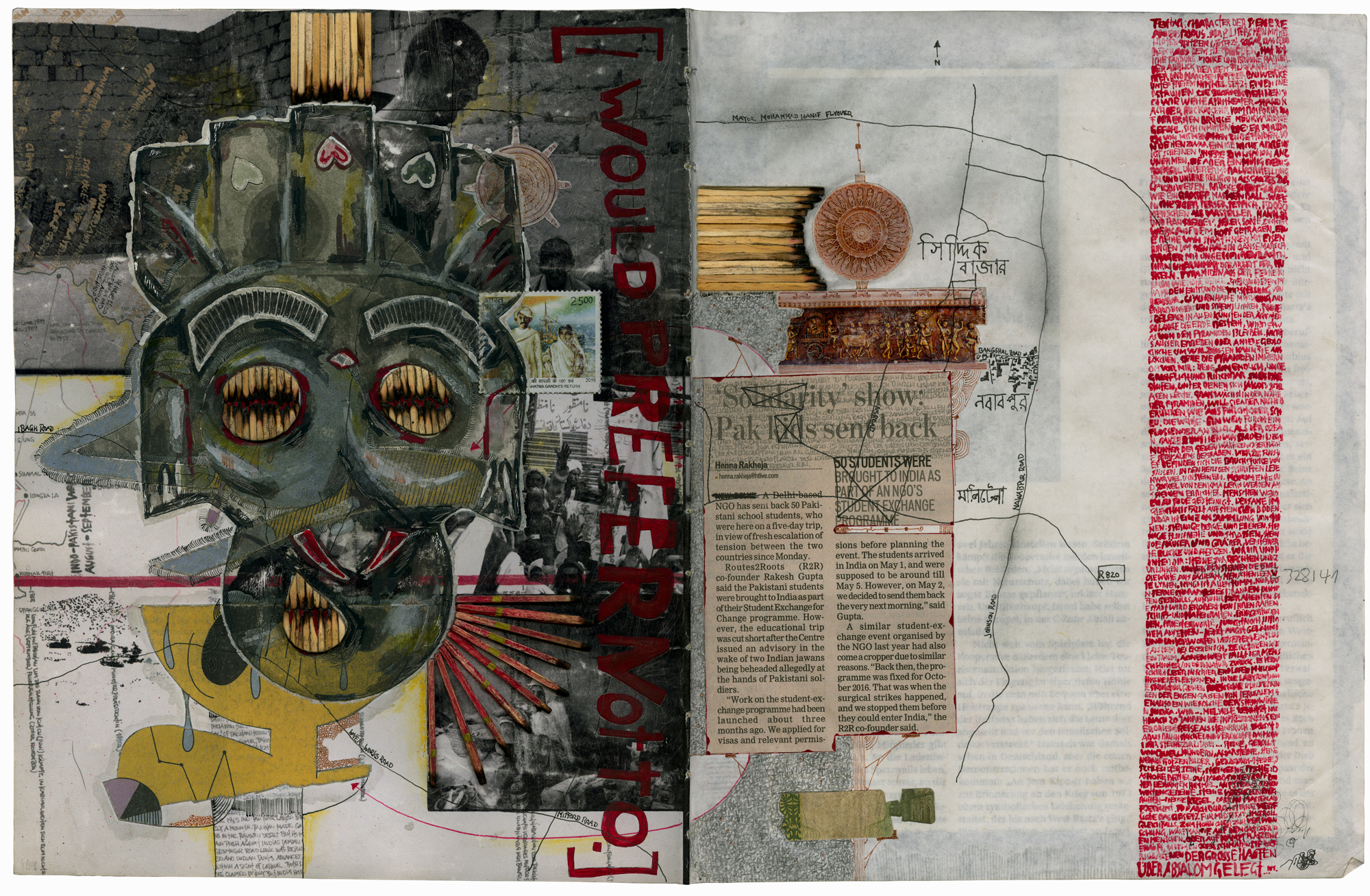
Ich will tief leben, alles Mark des Lebens aussaugen … um alles, was nicht Leben war, davonzujagen sagte Thoreau sagte Thilo sagte Habbo
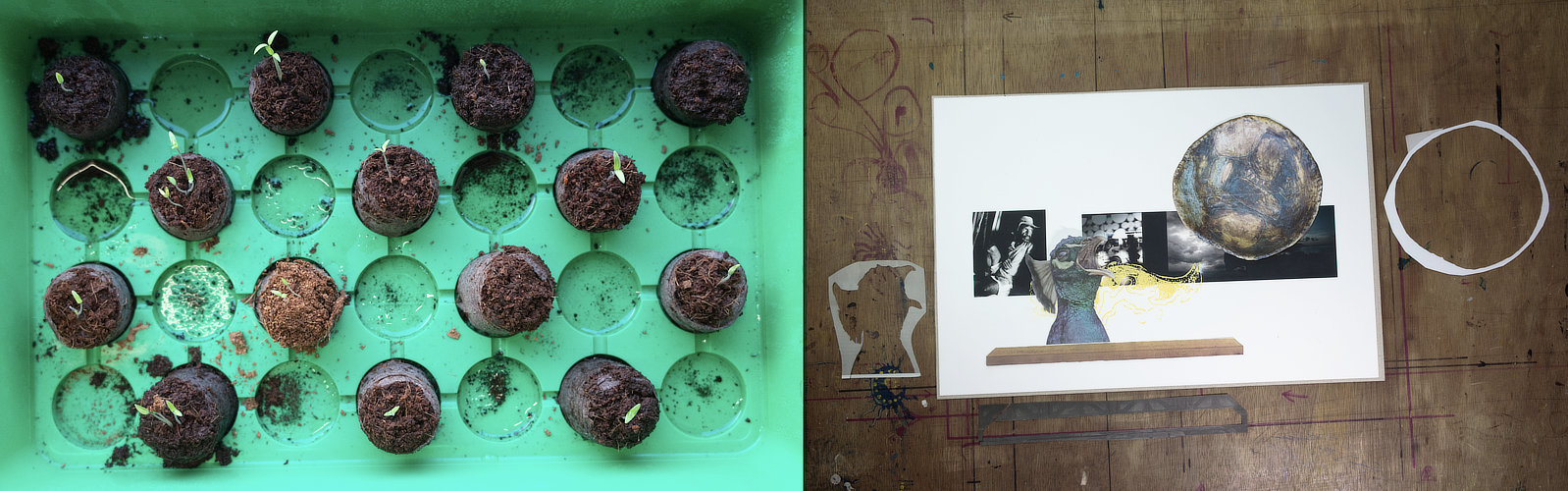
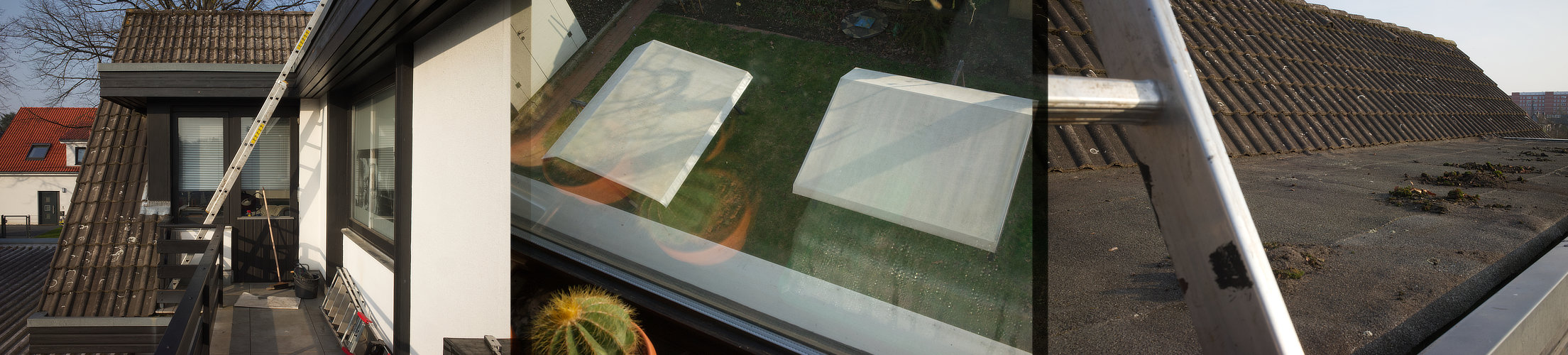
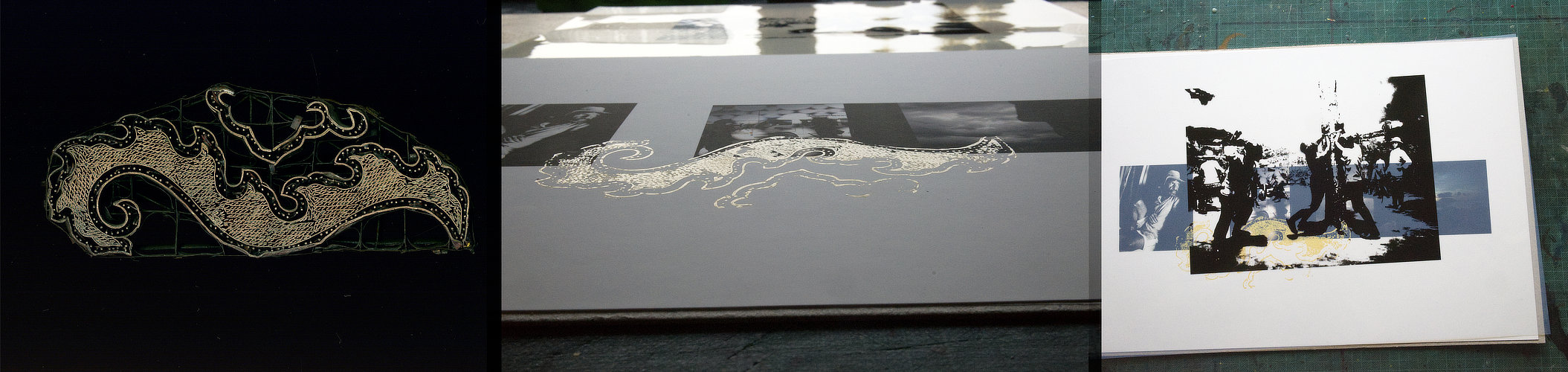
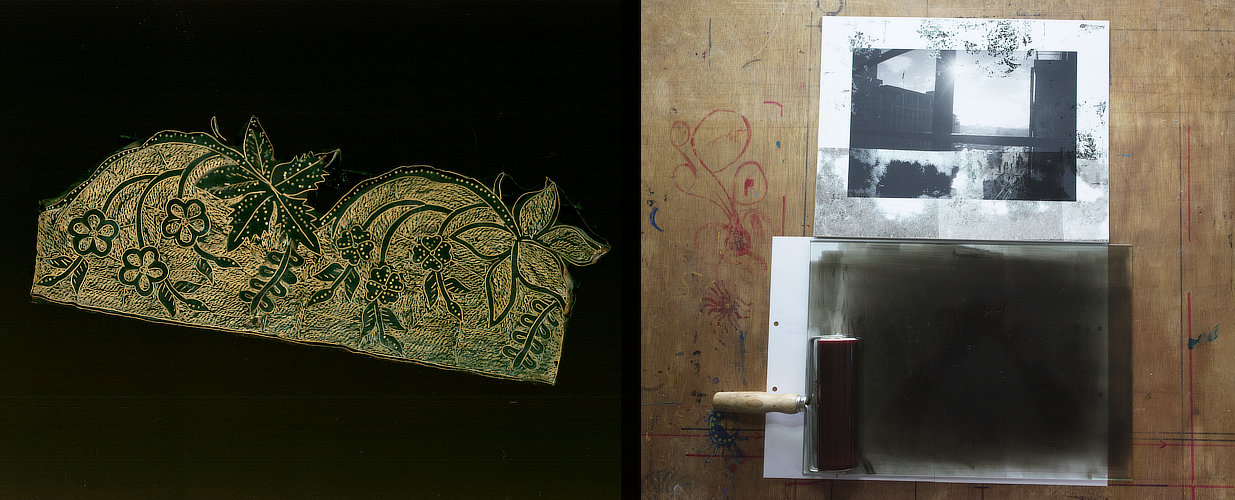
february 23rd
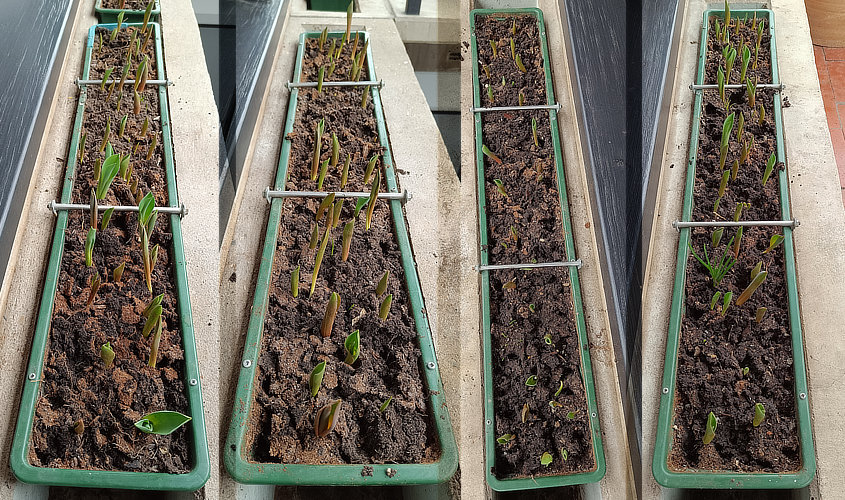
100+: tulip, hyacinth, creambeauty crocus, daffodil, muscari&blueshade – february 22nd
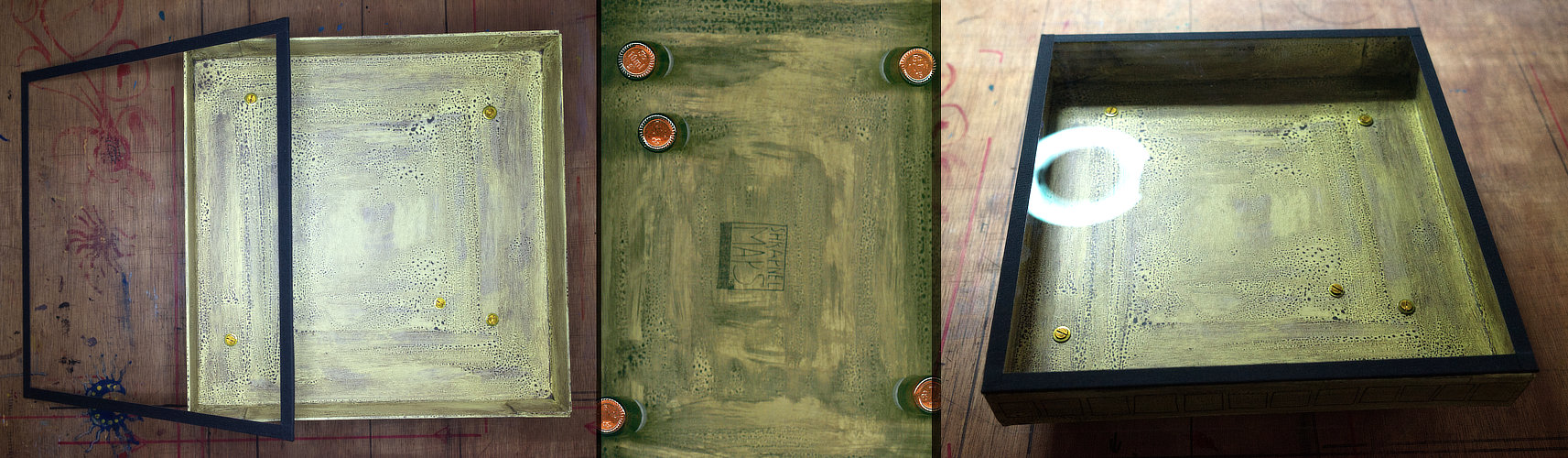
february 21st
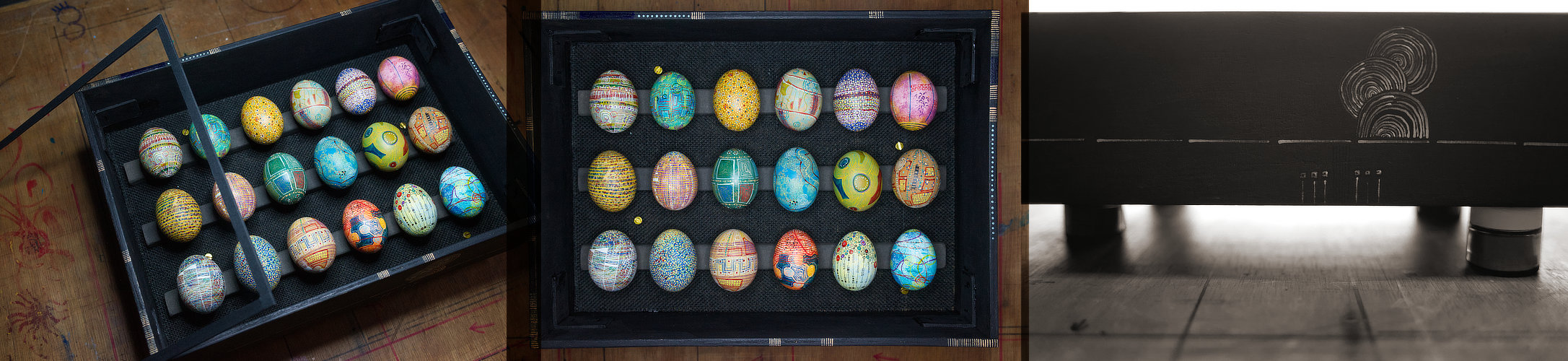
Buchhandlung Hemmingen
Deveser Straße 2
30966 Hemmingen
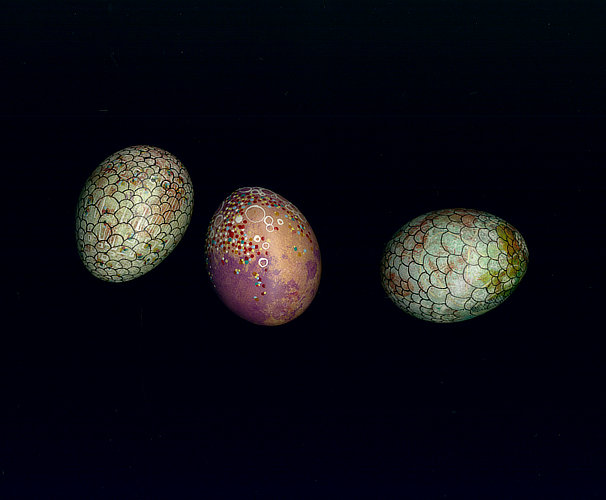
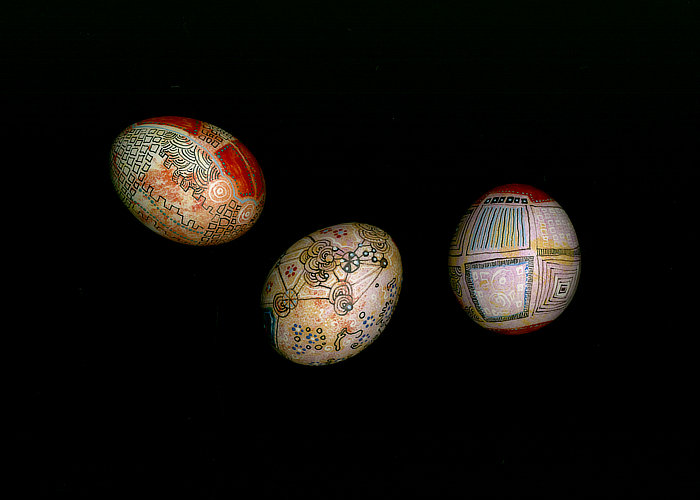
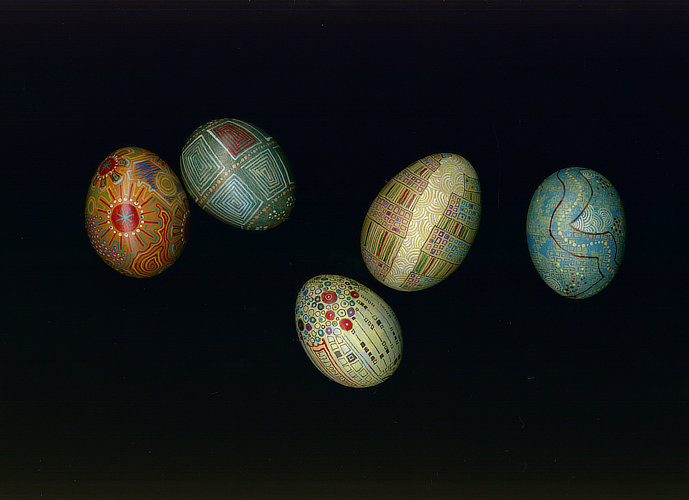
diverse Techniken unter mattem Firnis
15Euro | Stk.
ab 17.2.
–
february 15th
more …
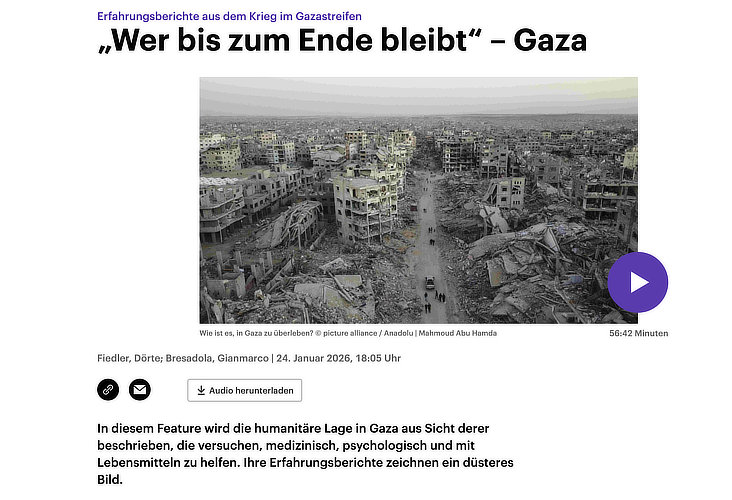
Wer bis zum Ende bleibt – Erfahrungsberichte aus dem Krieg im Gazastreifen
„
…
Offiziell ist der Krieg vorbei, dennoch bleibt die Lage in Gaza unvorstellbar dramatisch.
“
Wer bis zum Ende bleibt
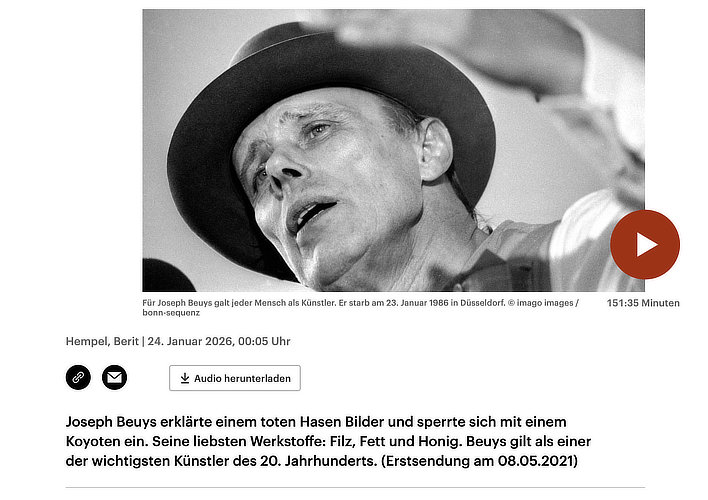
Unter diesem Hut steckt Utopia – eine Lange Nacht über Joseph Beuys
“
…
Aber es war total fremdartig, dieses Zurücknehmen, auf diesen vielen Skizzen mit ein paar Bleistiftstrichen, die virtuos geführt wurden. Beuys ist der erste Künstler, von dem man das Gefühl hatte, er kann mit dem Zeichenstift alles ausdrücken. Das geht alles wie aus dem Impuls heraus, kommt direkt aus einem Gehirn und weil das Gehirn im Funktionieren natürlich unzugänglich und fremd war, man war noch nicht vertraut damit, waren einem auch die Zeichnungen fremd und unzugänglich.
…
J.B.
Nein, Zeichnungen sind nicht dazu da, Kunst überhaupt ist nicht dazu da, dass man sie versteht in diesem Sinn von formaler Logik, im Sinnzusammenhang von Verstehen. Sondern Kunst ist ja dazu da, dass sie das Sensorium und die Sinneswahrnehmung des Menschen erhellt, nach Möglichkeit erweitert. Also dass Sensorium des Menschen entwickelt. Dass es eine sinnliche Wahrnehmung entwickelt und die höheren Form des Denkens anregt, als Intuition, als Imagination und Inspiration.
…
“
Unter diesem Hut steckt Utopia
“
…
An den Grenzen der österreichisch-ungarischen Monarchie gab es damals viele Männer von der Art Kapturaks. Rings um das alte Reich begannen sie zu kreisen wie die schwarzen und feigen Vögel, die aus unendlicher Ferne einen Sterbenden eräugen.
Mit ungeduldigen und finsteren Flügelschlägen warteten sie sein Ende ab. Mit steilen Schnäbeln stoßen sie auf die Beute. Man weiß nicht, woher sie kommen, noch, wohin sie fliegen. Die gefiederten Brüder des rätselhaften Todes sind sie, seine Künder, seine Begleiter und seine Nachfolger.
Kapturak ist ein kleiner Mann von unbedeutendem Angesicht. Gerüchte huschen um ihn, fliegen ihm auf seinen gewundenen Wegen voran und folgen den kaum merklichen Spuren, die er hinterläßt. Er wohnt in der Grenzschenke. Er verkehrt mit den Agenten der südamerikanischen Schiffahrtsgesellschaften, die jedes Jahr Tausende russischer Deserteure auf ihren Dampfern nach einer neuen und grausamen Heimat befördern.
Er spielt gerne und trinkt wenig. An einer gewissen gramvollen Leutseligkeit läßt er es nicht fehlen. Er erzählt, daß er jahrelang den Schmuggel mit russischen Deserteuren jenseits der Grenze betrieben und dort ein Haus, Weib und Kinder zurückgelassen habe, aus Angst, nach Sibirien verschickt zu werden, nachdem man mehrere Beamte und Militärs ertappt und verurteilt hatte. Und auf die Frage, was er hier zu machen gedenke, erwidert Kapturak, bündig und lächelnd: „Geschäfte.“
…
“
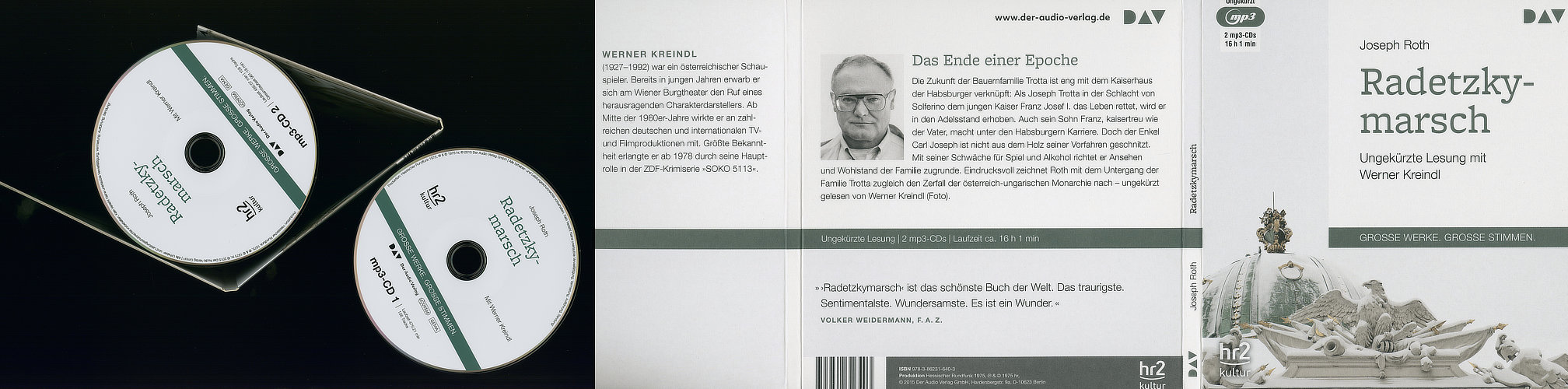
Radetzkymarsch
 december 30th

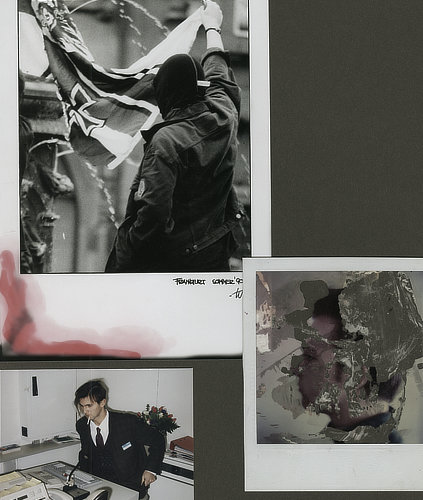
1990
„
Überfließende Himmel verschwendeter Sterne
prachten über der Kümmernis. Statt in die Kissen,
weine hinauf. Hier, an dem weinenden schon,
an dem endenden Antlitz,
um sich greifend, beginnt der hin-
reißende Weltraum. Wer unterbricht,
wenn du dort hin drängst,
die Strömung? Keiner. Es sei denn,
dass du plötzlich ringst mit der gewaltigen Richtung
jener Gestirne nach dir. Atme.
Atme das Dunkel der Erde und wieder
aufschau! Wieder. Leicht und gesichtslos
lehnt sich von oben Tiefe dir an. Das gelöste
nachtenthaltne Gesicht giebt dem deinigen Raum.
“
Gedichte an die Nacht
R.M. Rilke
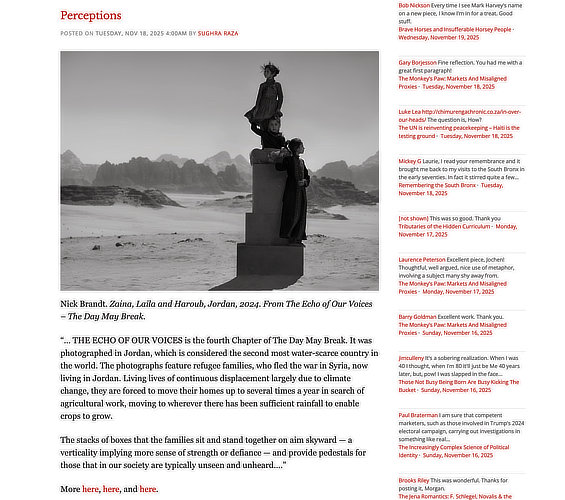
The Echo of Our Voices – Nick Brandt
“
…
THE ECHO OF OUR VOICES is the fourth Chapter of The Day May Break. It was photographed in Jordan, which is considered the second most water-scarce country in the world. The photographs feature refugee families, who fled the war in Syria, now living in Jordan. Living lives of continuous displacement largely due to climate change, they are forced to move their homes up to several times a year in search of agricultural work, moving to wherever there has been sufficient rainfall to enable crops to grow.
The stacks of boxes that the families sit and stand together on aim skyward – a verticality implying more sense of strength or defiance – and provide pedestals for those that in our society are typically unseen and unheard
…
”
The Echo of Our Voices
Incentivising War Crimes: The High Cost of International Humanitarianism – Thomas Wells
“
…
But rebels have ways to push governments over the edge into the moral abyss, and a clear incentive to do so. They can set out deliberately to provoke such a moral breakdown by escalating their guerilla war tactics to the point where the domestic political pain for the government is so great that they will do almost anything to end it. Thus, after Hamas’ performatively brutal assault on Israeli civilians in October 2023, Netanyahu’s government threw out Israel’s usual restraints on the use of its overwhelming military force – and Hamas had achieved its goal. Positive international attention has flowed to Hamas by the mechanism of sympathy via antipathy, while Israel has lost international standing, connections, and alliances it spent decades building up. The deaths and maimings of Palestinian civilians are merely a means to an end, a price Hamas is willing to pay. The supply of angry young men to recruit from has never been higher.
…
“
Incentivising War Crimes: The High Cost of International Humanitarianism